

PBL - Independent research for a future-proof Netherlands
PBL: Updated spatial density dataset provides new insights into land use

The importance of understanding differences in climate policy scenario outcomes

Sizeable global emission gap in 2050 remains for net-zero pledges

Science-policy interfaces for transformative change? Insights from our innovative session at the Earth System Governance conference

Recent publications
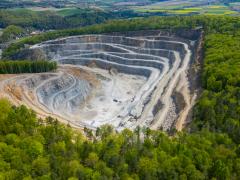
Environmental impacts of extraction and processing of raw materials for the energy transition
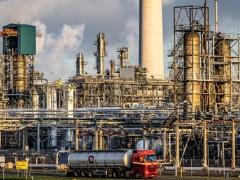
Abolishing fossil fuel subsidies: a brain teaser rather than a no-brainer
Decarbonization Paths for the Dutch Aviation Sector

Costs and benefits of synthetic nitrogen fertilizer for global production of cereal grains in 2015 and in 2050 under contrasting scenarios
Topics

raw materials
recycling
production chain
transition

climate change
energy transition
heat transition
greenhouse gases
sun and wind

nature reserves
ecosystems
agriculture
cultural landscape
Natura2000

attracting foreign companies
spatial differentiation
regional strengths

About PBL
PBL Netherlands Environmental Assessment Agency is the national institute for strategic policy analysis in the fields of the environment, nature and spatial planning. We contribute to improving the quality of political and administrative decision-making by conducting outlook studies, analyses and evaluations in which an integrated approach is considered paramount. Policy relevance is the prime concern in all of our studies. We conduct solicited and unsolicited research that is independent and scientifically sound.