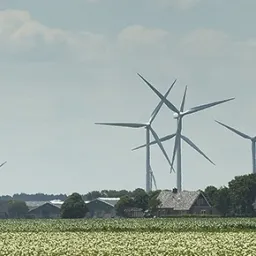
Climate policy in 2023
In 2023, national and international climate policy advanced in many areas but also faced substantial domestic hurdles in others. Countries agreed on new global initiatives and many major emitters expanded national climate policies. However, others rolled back existing policies and continued to support fossil fuels, slowing down global progress.
Key points
- A tug of war between negative developments in some countries and positive developments in others is insufficient. It is only with all countries moving in the same direction that climate policy will reach the pace needed to safeguard sustainable development for all.
- Domestic developments are often contradictory, as demonstrated by the simultaneous expansion of coal and renewables in major emitters. Ensuring coherent climate policies within countries’ borders remains fundamental to meeting the goals of the Paris Agreement.
- New initiatives and mechanisms to support international cooperation, such as the Global Renewables and Energy Efficiency Pledge, help to advance national and global climate policy, but they will require credible national action to back them up.
This article is available on the publisher’s website via restricted access.
Authors
Specifications
- Publication title
- Climate policy in 2023
- Publication date
- 4 April 2024
- Publication type
- Article
- Publication language
- English
- Magazine
- Nature Reviews Earth & Environment
- Issue
- 5, pages 255–257 (2024)
- Product number
- 5641