Decarbonisation options for the Dutch steel industry
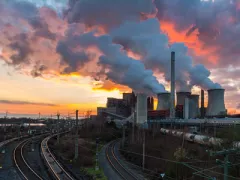
This report on decarbonisation options for the Dutch steel industry is part of the MIDDEN project (Manufacturing Industry Decarbonisation Data Exchange Network) initiated by PBL and ECN part of TNO…
Trends in Global CO2 and Total Greenhouse Gas emissions. Summary of the 2019 Report
Global greenhouse gas (GHG) emissions have increased at an annual rate of 1.5%, over the last decade, with only a slight slowdown from 2014 to 2016. In 2018, the growth in global greenhouse gas…
Integrated scenarios to support analysis of the food–energy–water nexus
The literature emphasizes the important relationships between the consumption and production of food, energy and water, and environmental challenges such as climate change and loss of biodiversity…
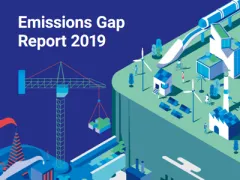
On current unconditional pledges, the world is heading for a 3.2°C temperature rise, according to the 2019 edition of UNEP’s annual Emissions Gap Report. Technologies and policy knowledge exist to cut…
Decarbonisation options for the Dutch glass fibre industry
This report on decarbonisation options for the Dutch glass fibre industry is part of the MIDDEN project (Manufacturing Industry Decarbonisation Data Exchange Network) initiated by PBL and ECN part of…
Decarbonisation options for the Dutch tyre industry
This report on decarbonisation options for the Dutch tyre industry is part of the MIDDEN project (Manufacturing Industry Decarbonisation Data Exchange Network) initiated by PBL and ECN part of TNO…
Environmental co-benefits and adverse side-effects of alternative power sector decarbonization strategies
A rapid and deep decarbonization of power supply worldwide is required to limit global warming to well below 2 °C. Beyond greenhouse gas emissions, the power sector is also responsible for numerous…
Global construction materials database and stock analysis of residential buildings between 1970-2050
Huge material stocks are embedded in the residential built environment. These materials have the potential to be a source of secondary materials, an important consideration for the transition towards…
Afforestation for climate change mitigation: Potentials, risks and trade‐offs
Afforestation is considered a cost‐effective and readily available climate change mitigation option. In recent studies afforestation is presented as a major solution to limit climate change. However…
Integrated Solutions for the Water-Energy-Land Nexus: Are Global Models Rising to the Challenge?
Increasing human demands for water, energy, food and materials, are expected to accentuate resource supply challenges over the coming decades. Experience suggests that long-term strategies for a…
 PBL Netherlands Environmental Assessment Agency