Quantifying the Costs and Benefits of Grid Investments to Decarbonize the European Energy Supply
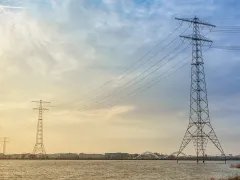
Europe aims to achieve climate neutrality by 2050 through the electrification of fossil fuel-based energy demand and the large-scale deployment of renewable generation. Realizing these goals requires…
The Ministry of KGG (Climate and Green Growth) of the Dutch national government has asked the Netherlands Environmental Assessment Agency PBL to give advice on the maximum tender amount to be used in…
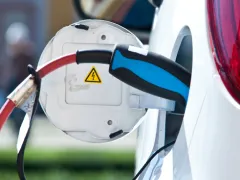
Electric vehicles (EVs) eliminate tailpipe emissions, but their lower marginal costs may stimulate additional car travel and a shift away from active and public transport.
Progress of major emitters towards climate targets
This report by NewClimate Institute, PBL Netherlands Environmental Assessment Agency, and the International Institute for Applied Systems Analysis (IIASA), provides an overview of projected greenhouse…
The ELEVATE Annual Net-Zero Reports aim to provide policymakers with a clear, evidence-based understanding of where global efforts currently stand regarding achieving these goals, and how national and…
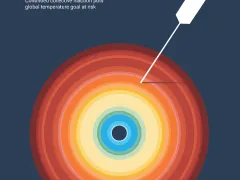
A UN Environment Programme (UNEP) assessment of available new climate pledges under the Paris Agreement finds that the predicted global temperature rise over the course of this century has only…
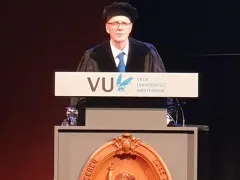
Inaugural lecture delivered by Michel den Elzen upon accepting the position of special professor of International Climate Policy and Mitigation of Climate Change, on behalf of the Netherlands…
Climate and Energy Outlook of the Netherlands 2025
The greenhouse gas emissions of the Netherlands are projected to reduce by 45-53% in 2030 compared to 1990, in the baseline projection. As such, the probability of reaching the target of 55% reduction…
Update report: Decarbonisation options for salt and chlor-alkali production by Nobian Industrial Chemicals B.V.
The Dutch government aims to make tailor-made agreements with the most energy-intensive plants in the Netherlands to support their decarbonisation. In December 2024, salt and chlor-alkali producer…
As part of the Paris Agreement, countries worldwide committed to limiting global warming to well-below 2°C and to pursuing effort to limit the increase to 1.5°C above pre-industrial levels. While high…
 Planbureau voor de Leefomgeving